
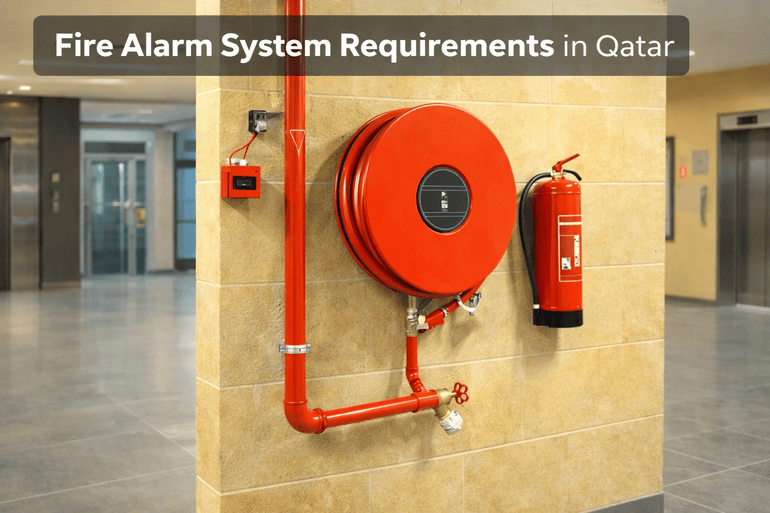
Fire safety is a critical priority in Qatar’s rapidly expanding urban landscape. With the country’s skyline filled with high-rise buildings, commercial complexes, industrial facilities, and residential towers, implementing reliable fire protection systems has become essential. Building owners must ensure their properties meet the fire safety requirements established by the Qatar Civil Defence (QCD).
Fire alarm systems play a vital role in protecting lives and property by detecting fire hazards early and triggering emergency response procedures. Compliance with these regulations is not only a legal requirement but also a crucial step in ensuring safe environments for occupants. This guide explains the key fire alarm system requirements in Qatar that every building owner should understand.
Understanding Fire Safety Regulations in Qatar
Fire safety regulations in Qatar are primarily governed by the Qatar Civil Defence Department, which operates under the Ministry of Interior. The department establishes technical guidelines for fire detection, alarm systems, and firefighting equipment to ensure buildings maintain high safety standards.
Qatar’s fire safety framework combines local regulations with internationally recognized standards. In many cases, the country adopts codes from organizations such as the National Fire Protection Association (NFPA), particularly NFPA 72, which focuses on fire alarm and signaling systems.
These regulations define requirements for system design, equipment approval, installation, testing, and maintenance. Authorities review fire safety designs before construction begins and conduct inspections throughout the project lifecycle.
Building owners must ensure that all fire alarm systems installed on their properties comply with these regulations and obtain necessary approvals from Qatar Civil Defence.
Why Fire Alarm Systems Are Mandatory for Buildings in Qatar
The government of Qatar mandates fire alarm systems to prioritize public safety. Fires can escalate within minutes, making early detection essential for safe evacuation. Alarms in residential towers and office complexes that have high occupancy provide essential time for people to evacuate the building. Fire alarm systems function as emergency response systems that help civil defense teams respond to incidents with maximum efficiency and speed.
Learn more: How to Choose the Best Fire Alarm System for Your Building?
Key Qatar Civil Defence Requirements for Fire Alarm Systems
The building owners in Qatar need to comply with the following requirements that the QCD has implemented.
- Approval and Certification - The QCD requires all systems to undergo certification before they can be implemented.
- Design Standards - The systems need to meet both NFPA standards and QCD requirements.
- Integration - Fire alarm systems must integrate with sprinkler systems, smoke control systems and emergency lighting systems.
- Accessibility - Emergency personnel require access to control panels, which should be installed in locations that they can reach.
- Inspection and Testing - Routine inspections must be conducted to maintain system certification.
These requirements ensure that fire alarm systems remain functional and reliable throughout the building’s lifecycle.
Types of Fire Alarm Systems Used in Commercial and Residential Buildings
Building owners can choose from several types of fire alarm systems depending on their property’s needs.
- Conventional Systems - This system divides buildings into zones, which can be used in smaller properties.
- Addressable Systems - This system provides exact information about the detector that was activated which works best in large complexes.
- Wireless Systems - This system provides flexible installation options, which become especially useful during retrofitting projects.
- Hybrid Systems - The combination of wired and wireless systems provides optimal system performance because it ensures constant operational effectiveness.
Choosing the appropriate system requires assessment of building dimensions, occupant capacity, and risk profile.
Essential Components of a Fire Alarm System
A compliant fire alarm system typically includes the following components.
- Detectors - The system contains smoke, heat and flame detectors, which provide early warning capabilities.
- Manual Call Points - This enables occupants to activate emergency alarms through manual operation.
- Control Panel - The system includes a central hub that receives signals and uses them to trigger alarms.
- Sounders and Flashers - These provide both audible sounds and visual signals to alert people.
- Emergency Communication Systems - This delivers instructions for evacuation procedures.
- Backup Power Supply - This maintains operational capability during electricity supply interruptions.
The fire alarm system depends on each of these components for its complete operational success.
Fire Alarm System Installation Guidelines for Building Owners
The installation work needs to be done by QCD-approved contractors. The following are the key guidelines.
- Strategic Placement - All essential areas need to be covered by the detectors, including staircases and corridors.
- Compliance With Wiring Standards - All electrical connections must comply with QCD-approved standards.
- System Integration - The fire alarm system must establish connections with elevators, HVAC systems and emergency lighting systems.
- Documentation - The owners need to keep complete documentation about installation work and testing results for inspection purposes.
Correct installation procedures enable systems to operate properly during emergency situations.
Importance of Regular Fire Alarm Testing and Maintenance
A fire alarm system requires regular maintenance in order to achieve its maximum operational effectiveness. The system requires regular tests to maintain its dependable performance.
- Monthly Tests - Basic functionality tests assess the performance of alarms and detectors.
- Quarterly Inspections - The system needs detailed inspections to check the operation of control panels and their associated backup systems.
- Annual Servicing - Certified professionals conduct complete testing procedures that encompass all of the system components.
The absence of maintenance work results in system breakdowns, which lead to financial penalties and create greater dangers for people inside the building.
Read More: The Importance of Regular Maintenance for Fire Alarm and Fire Fighting Systems
Common Fire Safety Compliance Mistakes To Avoid
Building owners often make mistakes that compromise safety.
- Non-Certified Equipment - Using devices that QCD has not approved.
- Skipping Maintenance - Failing to conduct standard inspection and maintenance procedures.
- Poor Documentation - Failing to maintain inspection documentation.
- Unqualified Contractors - Hiring installers who lack QCD approval.
Building owners need to avoid these mistakes to achieve safety and compliance requirements.
Conclusion
Fire alarm systems are a fundamental component of building safety in Qatar. By detecting fires early and triggering emergency responses, these systems help protect lives, property, and business operations. Building owners must ensure their fire safety infrastructure complies with Qatar Civil Defence regulations, international standards, and proper maintenance practices.
Partnering with experienced fire safety professionals can make compliance easier and more reliable. Electra provides comprehensive fire protection solutions, including fire alarm and firefighting systems. From system design and installation to maintenance and compliance support, their experts help ensure buildings meet all safety requirements.
By implementing certified fire safety systems and maintaining them properly, building owners can create safer environments and ensure full compliance with Qatar’s fire protection regulations.
Related Blogs

How PA Systems Help Manage Emergencies in Large Buildings in Qatar

How to Choose a Reliable Fire Protection Company in Qatar
69dc76a796b90.png)
Outdoor UPS Vs Indoor UPS: Key Differences You Need To Know

Learn the key differences between commercial and residential fire-rated doors, including fire ratings, regulations, materials, and safety requirements.

How to Choose the Right Public Address System in Qatar